Cutter Blade Materials: Which One to Choose?
If you have to cut paper, cardboard, or even fabrics, a cutter blade is an important tool to chew. But did you know that there are different kinds of cutter blades? Some are steel, some ceramic and some carbide. So which one should you choose for your cutting needs? Now, let us check out the top materials for cutter blades.
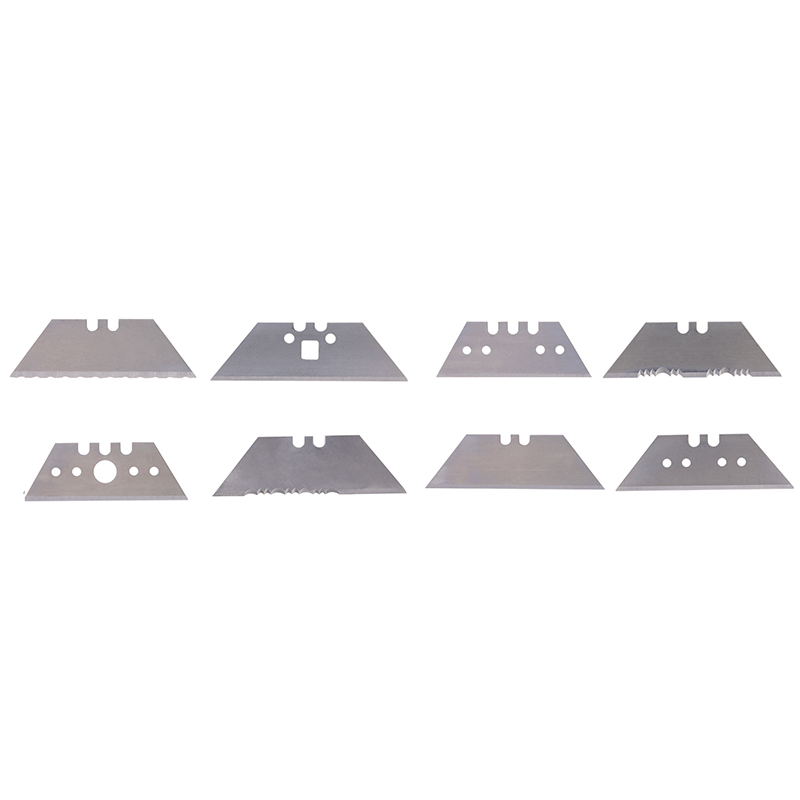
Introduction to Cutter Blade Materials
Steel blades are tough and sharp, which makes them well suited for cutting the types of materials encountered during many cutting jobs. This type is common in single blade safety razor blades and other cutting tools. Another feature that makes the ceramic blades amazing is that they are sharp and long-lasting. They are excellent for other items, such as paper and fabric. For chairs, we highly recommend carbide blades. They’re able to slice through tough materials like plastic and metal. Each of these materials has its pros and cons, and it is worth honouring these pro and con relationships and choosing your medium accordingly.
Durability versus Sharpness Comparison
Steel blades are rugged and durable if well maintained. But they can become dull rather quickly with heavy use, requiring frequent sharpening. Ceramic blades also tend to be long-lasting and stay sharp. They’re less prone to dulling than steel blades, but if dropped, they can easily break. 14 metal cutting blade are the toughest and retain an edge for a long time. They’re ideal for slicing through tough materials but can be pricier than steel or ceramic blades.
Understanding the Differences
Steel blades, strong metal that withstands hours of use. They work well on softer materials such as paper and cardboard. Made of a hard material called a ceramic, these blades stay extremely sharp for a long time. They are useful for cutting materials such as fabric and thin plastic. Carbide blades are made of very hard materials that are capable of slicing through tough items such as metal and rubber. Every material comes with its own pros and cons, so making the right choice for your cutting needs is essential.
How to Choose the Right Blade
Consider what you are going to be cutting and how often you are planning to use the cutter in order to identify the right blade material. For a blade that retains edge for a long time, a s blade for food processor might be the ideal choice. If you'll only be cutting softer materials such as paper or cardboard, a steel blade should suffice. Also, determine how much money you want to spend as carbide blades typically are more expensive than their steel or ceramic counterparts. It all depends on what you need your cutter blade material for.
How to Care for Your Blades
Clean your cutter blades and store them properly to keep them in good shape. After each use, wipe away dirt or excess material with a soft cloth. Keep your blades protected, so they aren’t damaged or dull. Avoid using your blades on materials, for which they are not designed, as it can cause them to wear out sooner. Should your blade grow dull, either sharpen it or buy a new one. Taking care of your cutter blades will prolong their life and help them stay sharp.
Finally, consider what you are cutting, how frequently it will be used, and your budget when selecting cutter blade material. Steel blades are heavy-duty and multipurpose, ceramic blades are super-long-lasting, and carbide blades are super-durable. So make sure you know the differences between these materials, and find out how to take care of your cutter blades with the tips provided so you can choose the right one for your cutting needs. Baishili provides cutter blades from different high-quality materials, ensuring you can always find the perfect blade for your needs.


Comments
Post a Comment